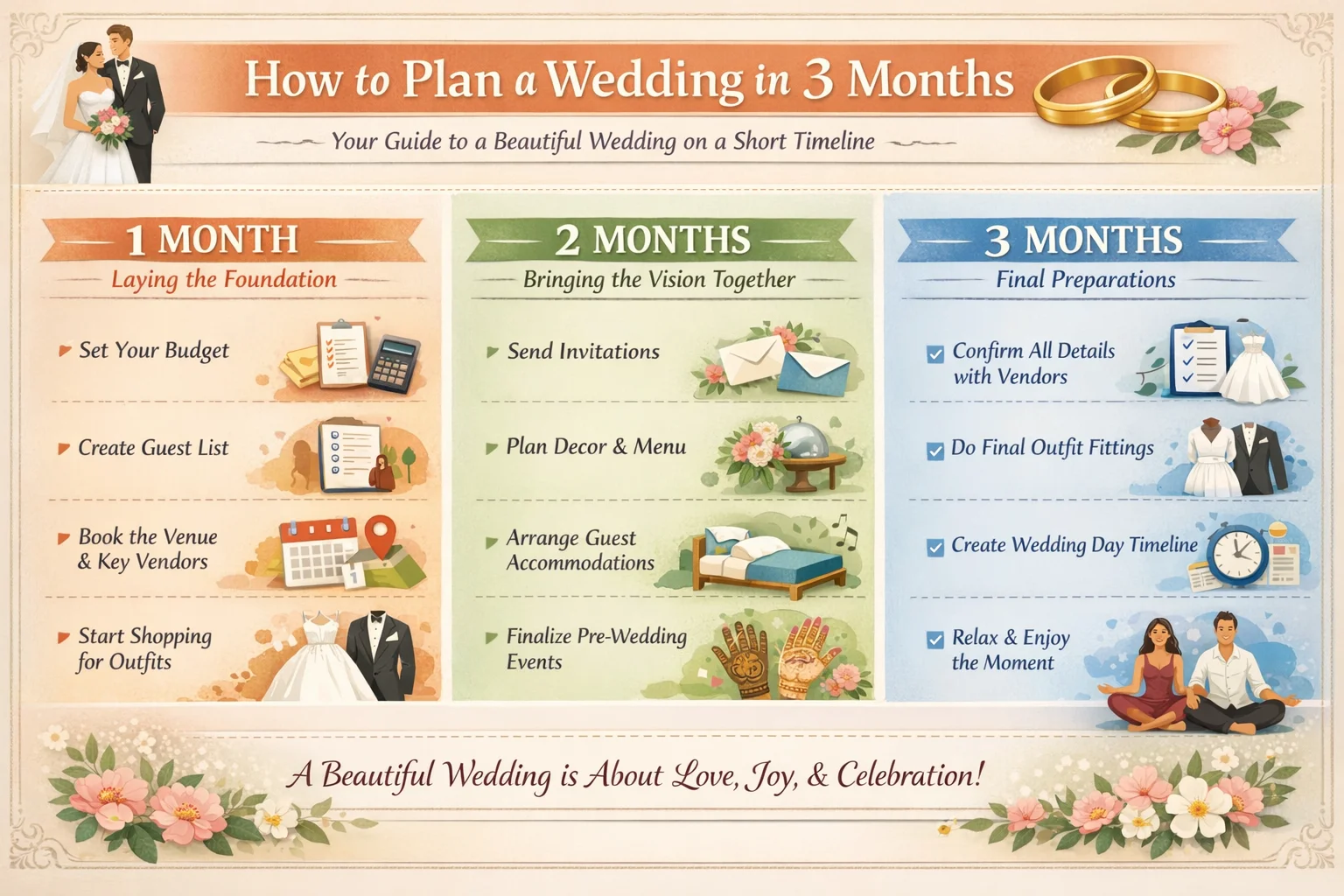
Planning a wedding often takes many months, and sometimes even a year or more. However, there are many situations where couples need or prefer to organize their wedding within a much shorter period. Whether the timeline is shorter because of personal reasons, family plans, venue availability, or simply the desire to start married life sooner, planning a wedding in three months is absolutely possible.
A shorter planning period does not mean your wedding has to feel rushed or incomplete. In fact, many couples find that planning within a limited timeframe helps them focus on what truly matters , the celebration of love, meaningful traditions, and spending time with family and friends. With thoughtful organization, quick decision-making, and the support of reliable vendors, a three-month wedding can be elegant, joyful, and memorable.
The key is to approach the process with a clear plan. Instead of trying to handle every small detail at once, it helps to divide the planning process into phases. Each month should focus on specific aspects of the wedding so that everything gradually comes together in a smooth and organized way.
1 MONTH : Laying the Foundation During the First Month

The first month of planning is the most important stage because it sets the foundation for the entire wedding. During this time, the focus should be on making the major decisions that will shape the celebration.
One of the first conversations couples should have is about the wedding budget. A clear understanding of how much you are willing to spend helps guide every decision that follows. The budget influences the venue, the number of guests, the scale of décor, and the type of services you choose. When planning quickly, having a realistic financial plan helps avoid unnecessary stress later.
Another important step early in the process is creating the guest list. The number of guests will determine the size of the venue and the overall wedding arrangements. When time is limited, many couples prefer to keep the guest list slightly smaller and more intimate. This allows for easier coordination and a more personal celebration.
Once the guest list is roughly finalized, the next step is securing the wedding venue. The venue is the backbone of the entire wedding plan because it determines the date, the location, and often the style of the event. In a short planning window, venues that provide multiple services in one place can be extremely helpful. Hotels, resorts, and wedding properties that offer catering, décor, and guest accommodation simplify the process and reduce the number of separate vendors you need to manage.
After confirming the venue, attention should turn to booking the essential wedding vendors. These usually include the photographer, videographer, makeup artist, decorator, and caterer if catering is not included with the venue. Since many experienced vendors are booked well in advance, flexibility with dates and packages may help secure good professionals even on short notice.
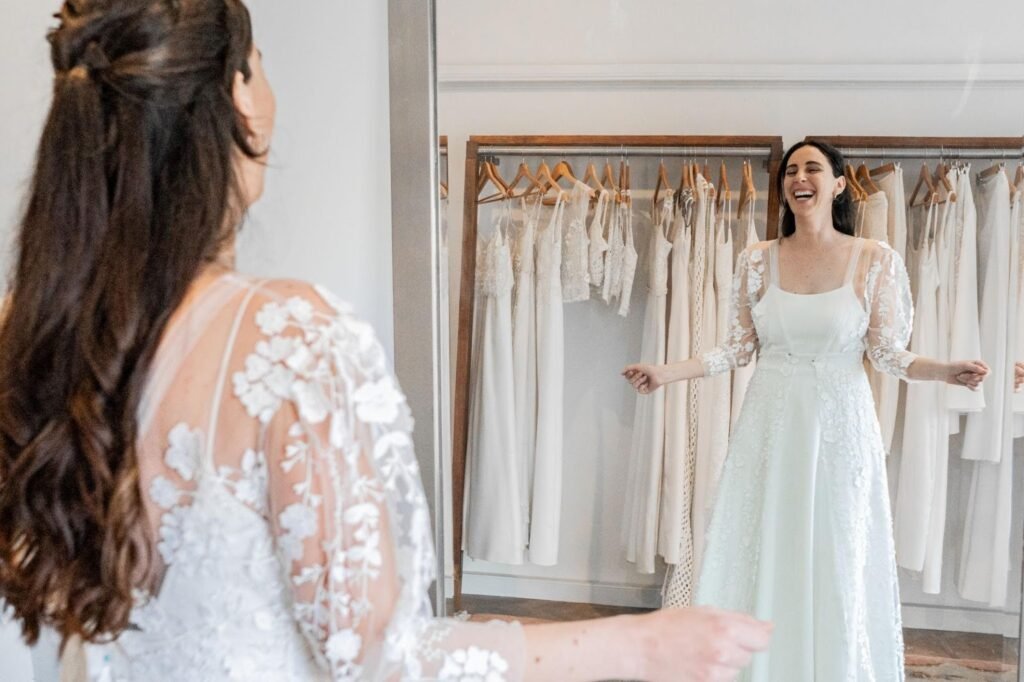
During the first month, it is also wise to begin shopping for wedding outfits. Bridal attire, groom’s outfits, and accessories often require fittings or minor alterations. Starting early ensures that there is enough time to make adjustments if needed.
2 MONTH: Bringing the Wedding Vision Together in the Second Month
The second month of planning focuses on the creative and logistical details that bring the wedding vision to life. With the venue and major vendors already secured, this stage allows couples to shape the overall experience of their celebration.
Communication with guests becomes especially important at this stage. Because the timeline is shorter than usual, invitations should be sent early so guests have enough time to make travel arrangements. Many couples today choose to send digital invitations first to quickly inform guests, followed by printed cards for a more traditional touch.
During this phase, couples also work closely with decorators to decide the visual theme of the wedding. The decor sets the mood and personality of the celebration, whether it is a grand traditional wedding, an elegant floral setting, or a minimal modern aesthetic. Choosing a consistent color palette and style helps create harmony across all the events, from the ceremony to the reception.
Food is another important aspect of the wedding experience. Menu planning usually involves tasting sessions with the caterer, where couples can select dishes that reflect their preferences as well as the cultural traditions of their families. A well-planned menu often includes a combination of classic favorites and unique specialties that guests will remember.
If the wedding involves guests traveling from other cities or countries, arrangements for accommodation and transportation should also be handled during this time. Coordinating hotel stays and travel logistics ensures that guests can attend comfortably and enjoy the celebrations without inconvenience.
This is also the stage when couples finalize plans for pre-wedding functions such as the mehendi, haldi, or sangeet ceremonies. Each of these events contributes to the festive atmosphere and allows families to celebrate together before the main wedding day.
3 MONTH : Final Preparations in the Third Month
The final month before the wedding is dedicated to confirming arrangements and preparing for the celebrations ahead. By this stage, most of the major planning decisions have already been made, allowing couples to focus on final details and coordination.
Communication with vendors becomes particularly important during this period. Confirming schedules, discussing logistics, and ensuring that every service provider understands the timeline helps the wedding day run smoothly. Many couples find it helpful to create a clear event schedule so that everyone involved knows when each activity will take place.
Final outfit fittings are also usually completed during this time. Ensuring that the bridal and groom attire fits comfortably and that all accessories are ready helps avoid last-minute stress. It is helpful to keep everything organized and packed well before the wedding week.
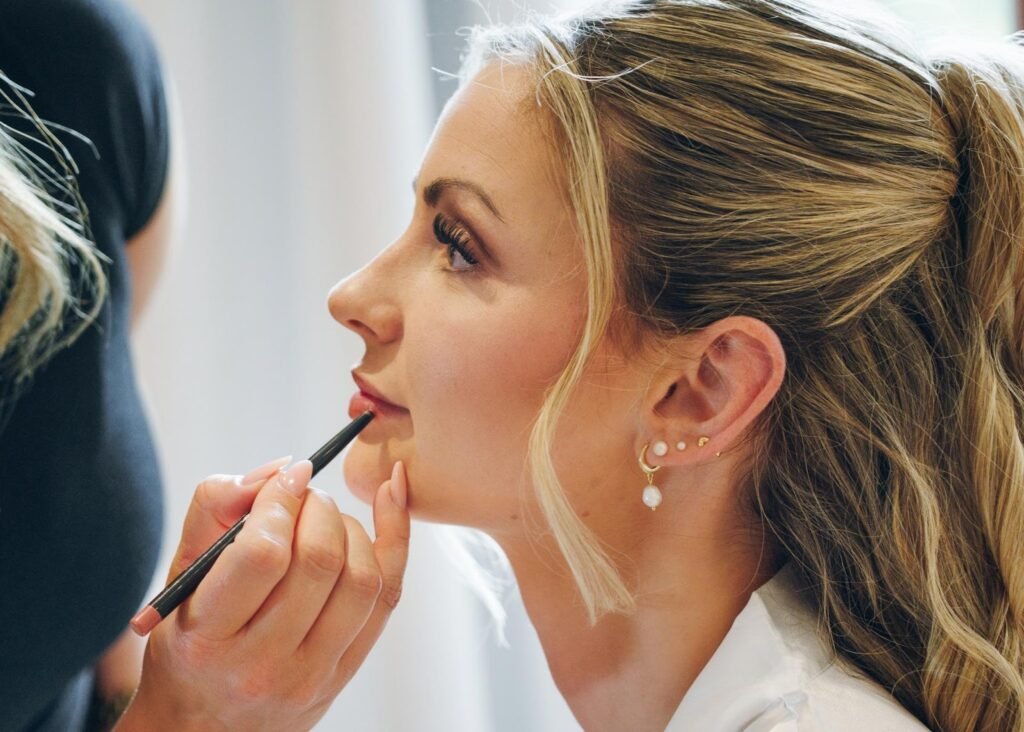
Another important preparation involves creating a simple timeline for the wedding day itself. This schedule typically includes the timing for bridal makeup, photography sessions, ceremony rituals, and reception events. Sharing this schedule with close family members and vendors helps maintain a smooth flow throughout the day.
As the wedding approaches, it is equally important for the couple to take time to relax and enjoy the experience. Wedding planning can feel overwhelming, especially within a short timeframe, but the final days before the celebration should be about joy and anticipation rather than stress.
Making the Most of a Short Wedding Timeline
Planning a wedding in three months may seem challenging at first, but it often leads to a more focused and meaningful celebration. Instead of spending a year worrying about countless details, couples are encouraged to concentrate on the elements that truly matter: the ceremony, the shared moments with loved ones, and the beginning of a new life together. With clear priorities, thoughtful organization, and the support of experienced vendors, a three-month wedding can be every bit as beautiful and memorable as one planned over a longer period. What matters most is not the length of the planning process, but the love, joy, and celebration that the wedding represents.